RC Spare Parts That Keep You Running
07/05/2026
RC Spare Parts Guide - Choosing the Right RC Parts Without the Guesswork
A broken hub carrier the night before a weekend bash is usually when people stop guessing and start taking RC spare parts seriously.
Whether you run:
-
a ready-to-run basher
-
a scale crawler
-
a drift car
-
an RC aircraft
-
a monster truck
the right replacement part saves:
-
time
-
money
-
frustration
-
unnecessary repeat failures
The challenge is not simply finding a part that looks correct online. It is finding one that:
-
fits the exact model
-
suits the way the vehicle is used
-
balances durability and cost properly
-
works with the surrounding setup
Sometimes a like-for-like replacement is the best option.
Other times, repeated failures are a clear sign that a stronger or better-designed component makes more sense.
Why RC spare parts matter more than most buyers realise
RC models are built around systems working together under load.
When one component wears or breaks, the problem rarely stays isolated.
Examples:
-
a cracked suspension arm can affect steering geometry
-
worn bearings can damage drivetrain components
-
poor gear mesh can destroy spur gears
-
weak steering links can overload the servo
That is why RC spare parts are not just maintenance items.
They are part of protecting the long-term reliability of the entire vehicle.
A well-supported RC platform with good spare availability is often a far better long-term investment than a cheaper model with poor parts support.
For beginners, spare parts reduce the fear factor.
If you know you can quickly replace:
-
steering links
-
body posts
-
driveshafts
-
hubs
-
servo horns
you are much more likely to enjoy the vehicle rather than shelf it after the first crash.
RC Model Shop stocks a wide range of RC spare parts and accessories suitable for bashers, crawlers, drift cars and racing platforms.
Start with fitment, not price
The quickest way to waste money is buying by appearance alone.
Many RC parts look extremely similar online while still being completely incompatible once they arrive.
Always check:
-
exact model name
-
chassis version
-
part number
-
dimensions
-
mounting points
-
shaft sizes
-
wheel hex sizes
Manufacturers regularly release:
-
updated versions
-
revised gearbox layouts
-
altered suspension geometry
-
different wheelbases
Even within the same product line.
A V1 model may not use the same parts as a later V2 version despite looking almost identical externally.
RC electronics compatibility matters too
Electronics upgrades create some of the biggest compatibility mistakes.
A motor, ESC or servo may physically fit while still being completely wrong for:
-
battery voltage
-
gearing
-
drivetrain load
-
intended use
For example:
-
a crawler servo prioritises torque
-
a touring car servo prioritises speed
-
a high-kV brushless motor may overload a weak drivetrain
Compatibility is not only about:
“does it fit?”
It is also:
“does it work properly in this setup?”
Replacement or upgrade - which is smarter?
Not every broken part needs an upgraded replacement.
Some stock parts are intentionally designed to flex or fail first to protect more expensive assemblies.
Plastic:
-
suspension arms
-
rod ends
-
bumpers
often absorb impact more effectively than alloy replacements.
Replacing everything with aluminium can sometimes move crash damage:
-
into the chassis
-
into the gearbox
-
into drivetrain internals
creating much more expensive repairs.
However, repeated failures under normal use are often a sign that:
-
the design is weak
-
the setup needs improvement
-
a stronger component would make sense
This is where upgraded RC spare parts become worthwhile.
The RC spare parts most owners should keep ready
A sensible RC parts box saves:
-
downtime
-
postage costs
-
frustration
For most RC cars and crawlers, the useful essentials are:
-
suspension arms
-
wheel nuts
-
hinge pins
-
body clips
-
bearings
-
rod ends
-
spur gears
-
servo horns
-
steering links
If your model uses:
-
grub screws
-
driveshaft pins
-
wheel hexes
those are also worth keeping spare because they are commonly lost during maintenance.
Tyres deserve attention too.
Worn tyres can completely change:
-
handling
-
acceleration
-
braking
-
steering feel
before the rest of the vehicle actually develops a fault.
Steering and servo-related RC spare parts
Steering systems are one of the most heavily stressed areas on many RC vehicles.
Heavy tyres, rough terrain and powerful servos place significant load on:
-
servo horns
-
steering links
-
steering racks
-
bearings
A worn steering setup often creates:
-
vague handling
-
poor centring
-
inconsistent tracking
rather than an obvious failure.
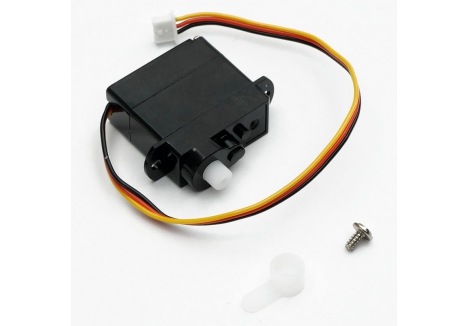
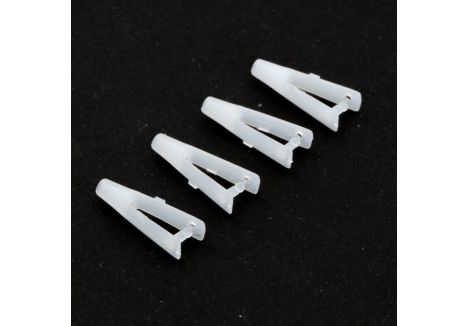
RC Model Shop stocks a wide selection of:
for crawlers, bashers and race vehicles.
Servo horn compatibility is especially important because different manufacturers use:
-
different spline counts
-
different mounting standards
A horn that looks correct may still not fit the servo properly.
Material choice affects performance as well as durability
Different materials suit different jobs.
Plastic
Plastic works well where:
-
flexibility matters
-
impacts are common
-
replacement cost needs to stay low
Aluminium
Aluminium improves:
-
rigidity
-
precision
-
finish quality
-
steering consistency
but may transfer impacts elsewhere.
Steel
Steel suits:
-
gears
-
driveshafts
-
drivetrain components
where strength matters most.
Carbon fibre
Carbon fibre works well in:
-
braces
-
lightweight chassis
-
race applications
but is not automatically the best choice for every RC build.
The correct material depends on:
-
vehicle type
-
terrain
-
driving style
-
power level
Don’t ignore wear items during fault finding
Many RC problems are caused by wear rather than dramatic breakages.
Loose steering might actually be:
-
worn bearings
-
tired rod ends
-
weak servo savers
Poor acceleration could be:
-
damaged connectors
-
worn gears
-
battery condition
-
drivetrain drag
That is why replacing only the visibly broken part does not always solve the real issue.
When rebuilding:
-
shocks
-
steering systems
-
transmissions
it often makes sense to inspect surrounding components at the same time.
Stock availability and support matter
Price matters, but so does:
-
getting the correct part quickly
-
having proper fitment support
-
knowing the item is genuine
-
understanding compatibility properly
A slightly cheaper part is not much of a bargain if:
-
it arrives late
-
fitment is unclear
-
the quality is poor
-
support is unavailable
This becomes even more important on:
-
premium RC builds
-
crawlers
-
brushless bashers
-
competition vehicles
where incorrect parts can become expensive mistakes very quickly.
When should you buy RC spare parts ahead of time?
If you:
-
bash regularly
-
race frequently
-
run multiple battery packs every weekend
then buying common RC spare parts ahead of time is usually smart.
Treat:
-
suspension arms
-
bearings
-
rod ends
-
body clips
-
spur gears
as consumable maintenance items.
For casual users, buying as needed is often perfectly fine except for:
-
cheap wear items
-
known weak points
-
easily lost hardware
Those are worth keeping ready.
A smarter way to shop for RC spare parts
The best RC spare parts buying decisions are usually the least dramatic.
Before ordering:
-
Confirm the exact model
-
Check the version/generation
-
Compare part numbers
-
Verify dimensions
-
Decide whether replacement or upgrade makes more sense
That simple process avoids most compatibility mistakes.
At RC Model Shop, the focus is always on helping RC owners match parts properly to:
-
the vehicle
-
the terrain
-
the electronics
-
the intended use
rather than simply recommending the most expensive option available.
The best RC spare parts are the ones that:
-
fit correctly
-
work reliably
-
improve the driving experience
-
keep the model running consistently
without unnecessary trial and error.
Frequently Asked Questions
Why do RC parts that look identical sometimes not fit?
Small differences in:
-
mounting points
-
shaft diameter
-
spline count
-
wheelbase
-
chassis version
can make parts incompatible despite similar appearance.
Are aluminium RC parts always better?
No. Some plastic parts are intentionally designed to flex during impacts and protect more expensive components.
What RC spare parts should beginners keep?
Useful beginner spares include:
-
suspension arms
-
body clips
-
bearings
-
wheel nuts
-
steering links
-
spur gears
Can bigger tyres damage RC drivetrains?
Yes. Larger tyres increase drivetrain load and may affect:
-
gearing
-
temperatures
-
steering strain
-
runtime
Why does exact model version matter?
Manufacturers often revise:
-
gearbox layouts
-
suspension geometry
-
wheelbase
-
mounting positions
between model generations.
Written by the RC team at RCModelShop.co.uk / Appliance Electronics UK Ltd, UK supplier of RC spare parts, servos, steering upgrades and crawler accessories.